we are your partner.
We support businesses shipping their goods around the world, and we connect people throughout the Northwest to the products they love and rely on.
Marine Cargo
See what’s possible at our marine terminals.
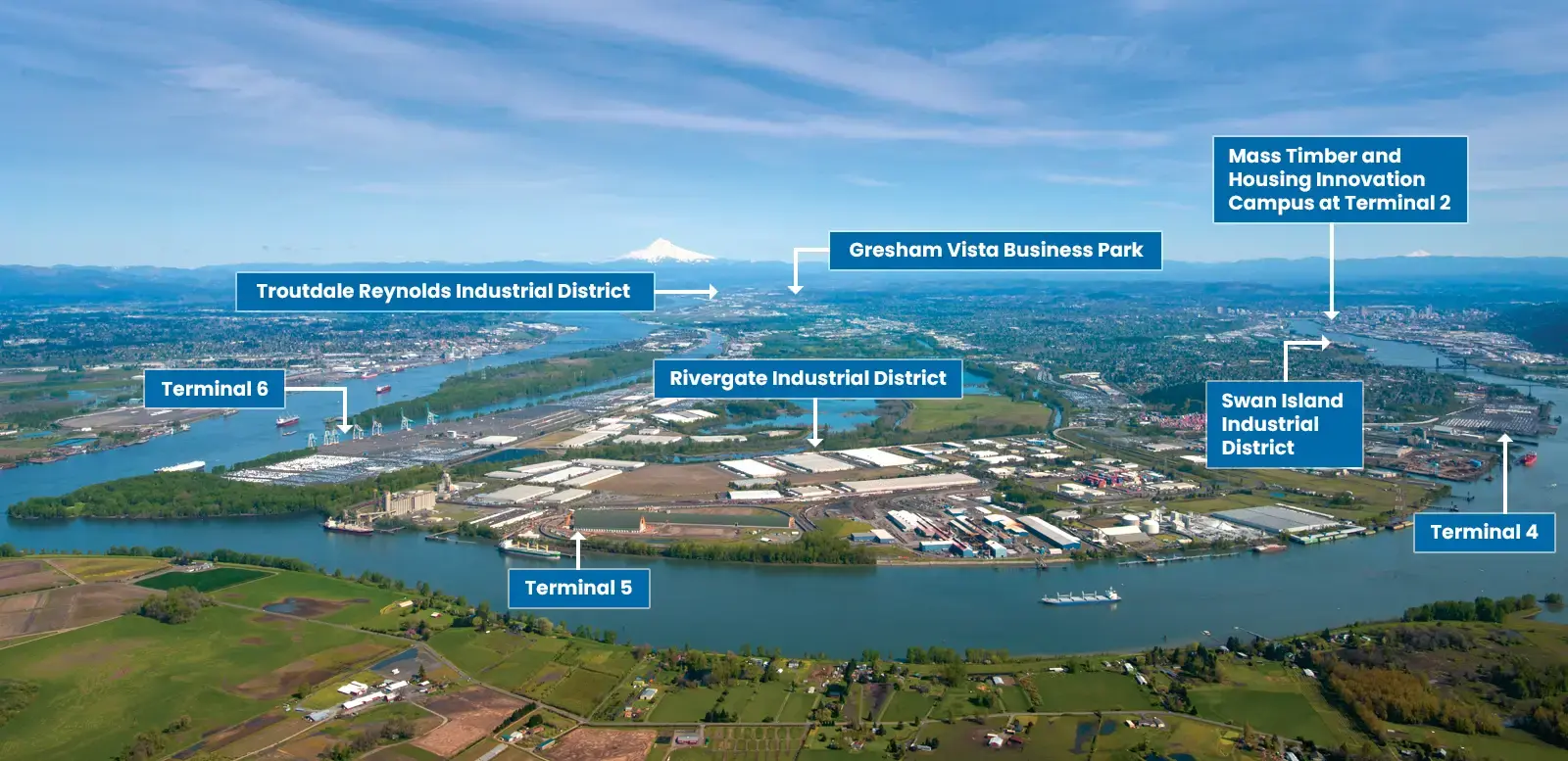
Go to: Terminal 4 Terminal 5 Terminal 6
Oregon’s Global Gateway
At the confluence of the Columbia and Willamette Rivers, Oregon’s largest deep-draft port offers a wide range of capabilities and easy access to interstate freeways and direct rail service.
Container shipping
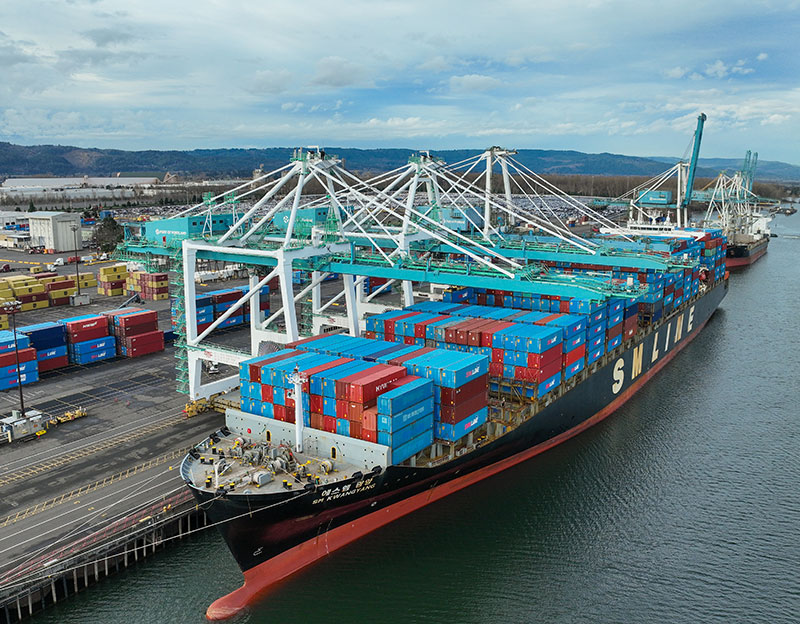
Oregon Container Terminal is Oregon’s only active international container port.
Operated by Harbor Industrial Services at Terminal 6, it provides a direct link to key Asian markets for Oregon consumers and businesses, moving cargo ranging from agricultural goods, electronics, and apparel, to building supplies and timber products. The terminal also offers direct access to BNSF Railway and Union Pacific Railroad lines, with direct routes inland to the Midwest and beyond.
Auto shipping
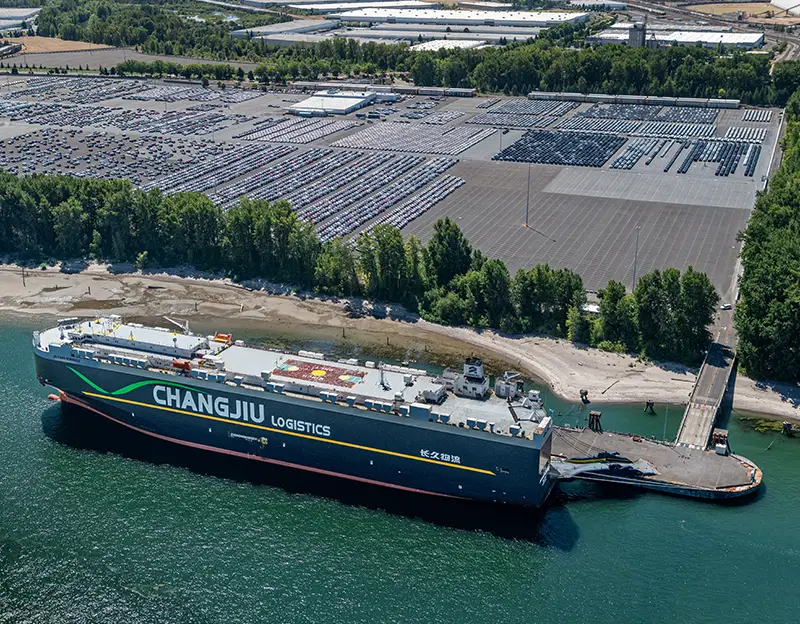
Portland is a top auto gateway on the West Coast for both imports and exports.
Thousands of vehicles roll in and out of Terminals 4 and 6, whether bound for foreign markets or headed inland to dealerships across the West.
Breakbulk and project cargo
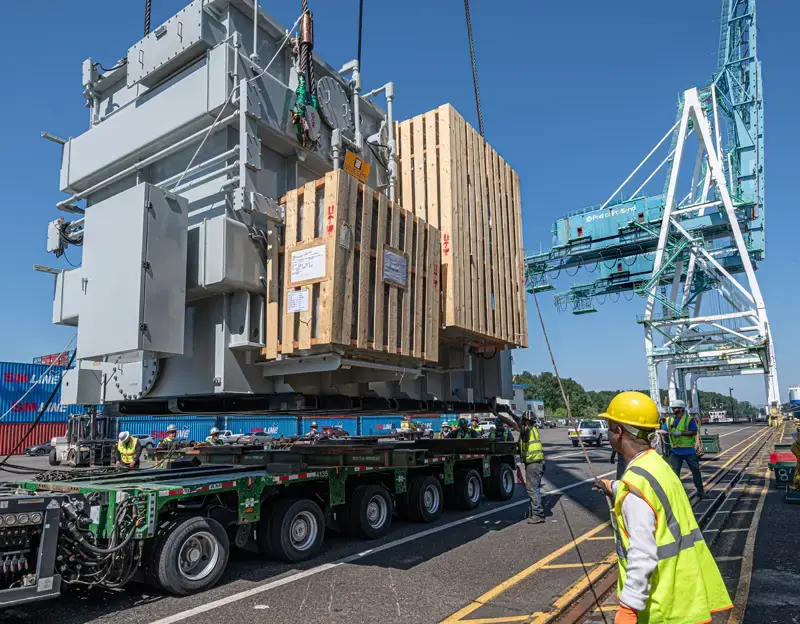
Terminals 4 and 6 offer flexible facilities that can handle a wide range of goods, including ro-ro and high-and-heavy cargo.
Dry bulk, grain, and mineral bulks
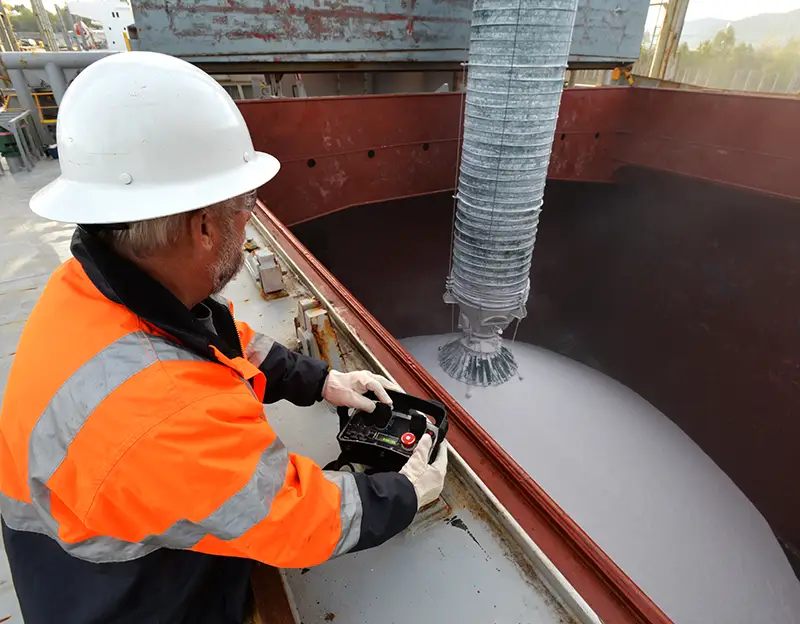
Terminals 4 and 5 handle dry bulk, including potash, soda ash and liquid bulks, along with grain.
The Port of Portland is the gateway for the Columbia-Snake River System, which exports more wheat than anywhere else in the United States. It’s why some people call the Columbia the “river of grain.”
Intermodal Logistics
Our marine terminals offer on-dock rail connections. Terminal 6 also features an eight-track intermodal railyard.
Fueling the economy as a top auto gateway
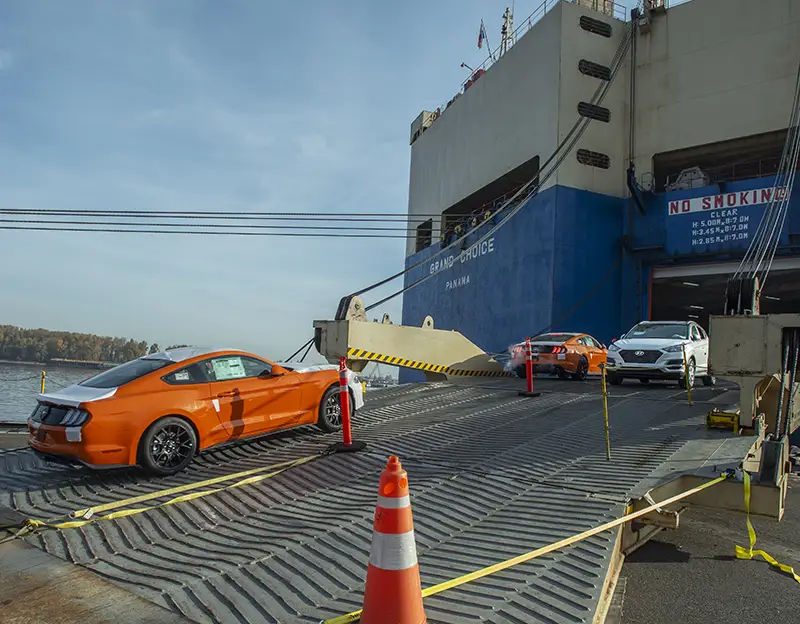
The Port of Portland is a leader on the West Coast for auto imports and exports. Every vehicle moving through our terminals contributes to our economy, supporting hundreds of local jobs for dockworkers, processors, and others in the supply chain.
At Terminal 4, Toyota brings vehicles to Portland as their first stop before they’re distributed to dealerships across the region.
At Terminal 6, vehicles are imported as well as exported. Cars made in the U.S. arrive by rail from assembly plants to our docks, where Auto Warehousing Company puts them on ships bound for Asia.
Supporting manufacturing
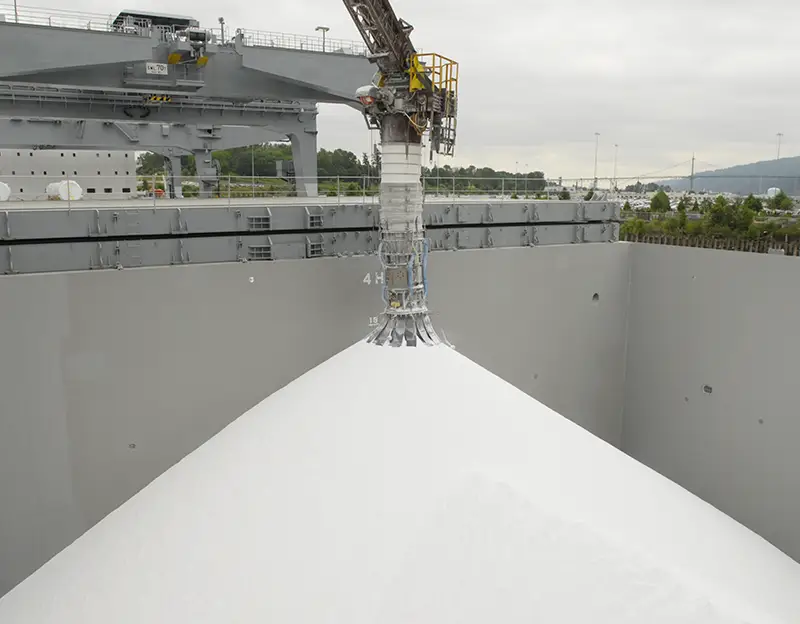
Several million tons of mineral bulk moves through Portland every year. At the Kinder Morgan facility at Terminal 4, soda ash, which is used to manufacture glass, moves from rail to ship across our docks.
Feeding communities
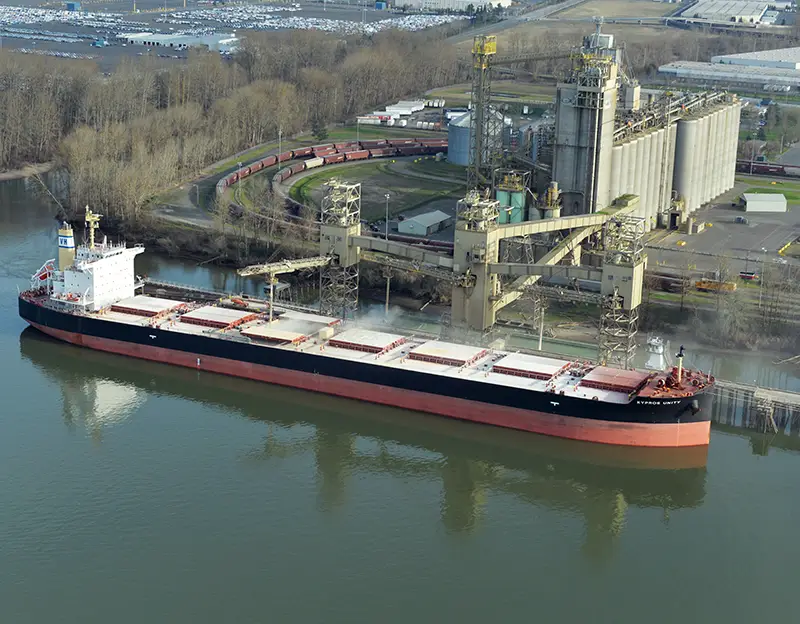
Portland is the endpoint for the Pacific Northwest's “river of grain,” shipping out wheat and other agricultural products grown throughout our region.
About 90% of Oregon-grown wheat is barged down the Columbia River and exported to feed people around the world. Much of it passes through Columbia Export Terminal’s facilities at Terminal 5.
International Raw Materials, at Terminal 4, and Portland Bulk Minerals, operating at Terminal 5, ship fertilizer products that support farming systems for communities around the world.
Supporting readiness for crisis relief and global aid
We partner with Pacific Layberthing South to provide long-term space at our terminals for federal marine vessels, supporting their readiness for emergency relief and humanitarian missions off the West Coast.
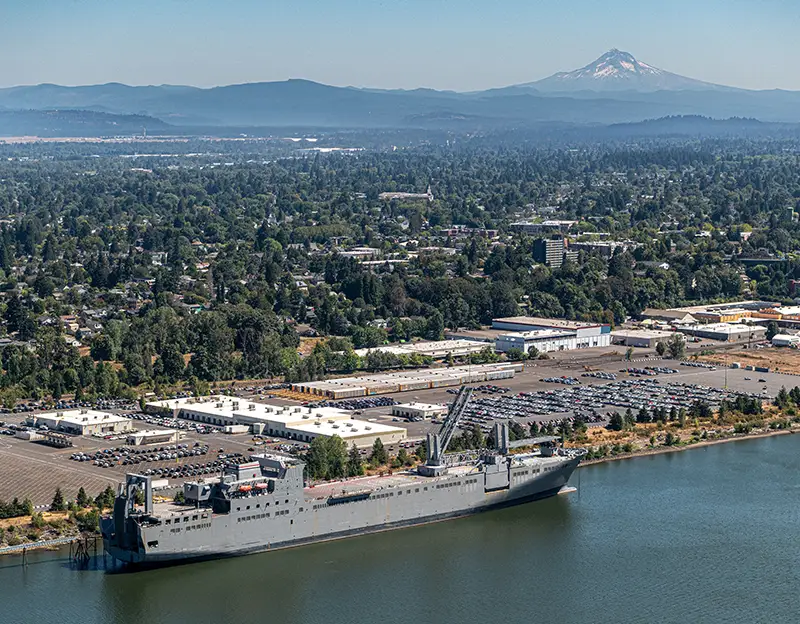
Marine Terminals
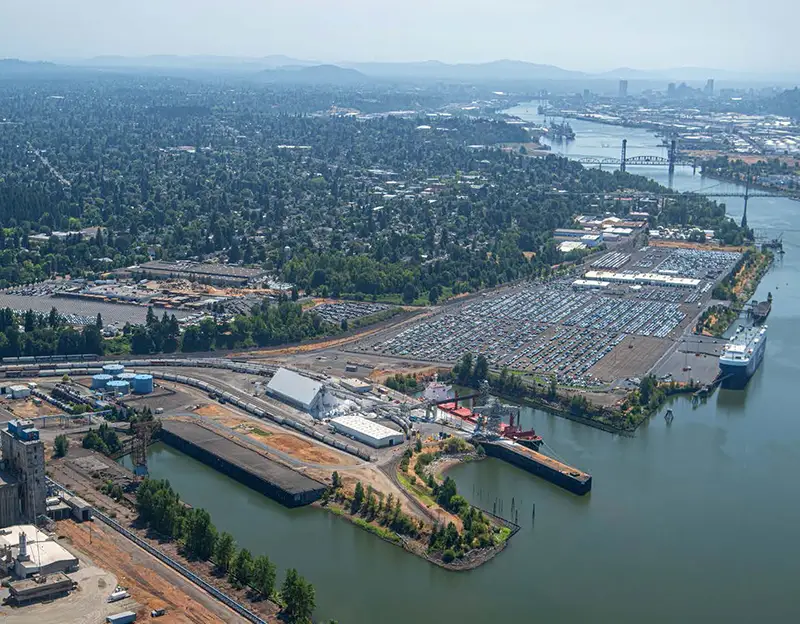
A 262-acre facility capable of handling a variety of cargoes, including autos, soda ash, liquid bulks, breakbulk, and high and heavy cargo
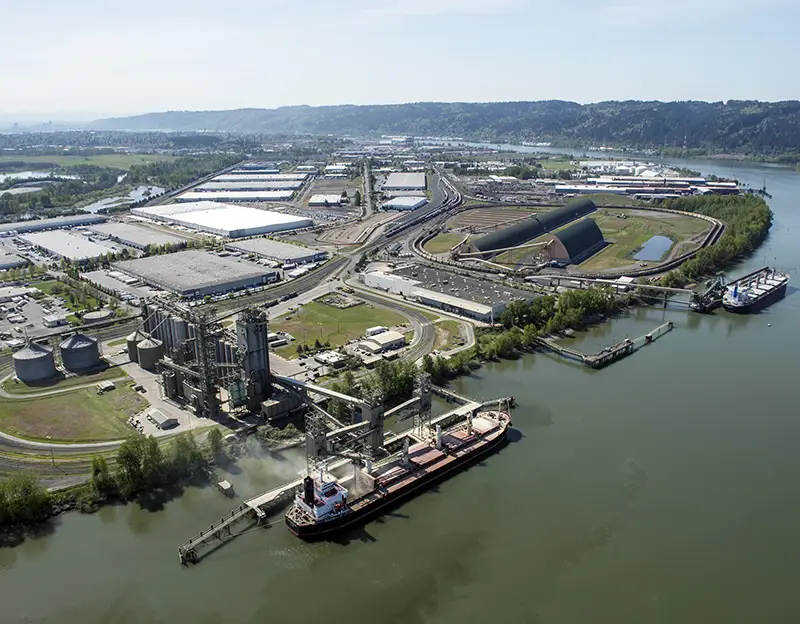
A 159-acre terminal handling dry bulk, grain, and mineral bulks with warehouse and manufacturing space
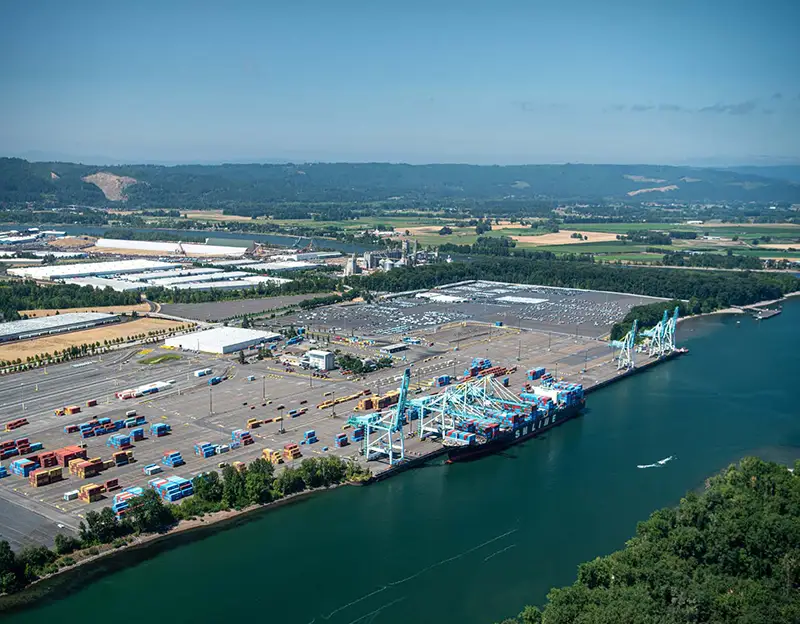
A 419-acre facility with an on-dock railyard that can handle autos, containers, and breakbulk